Preview of Pashto Translation of 'Guiding Principles for a Successful Life' Held in Kabul
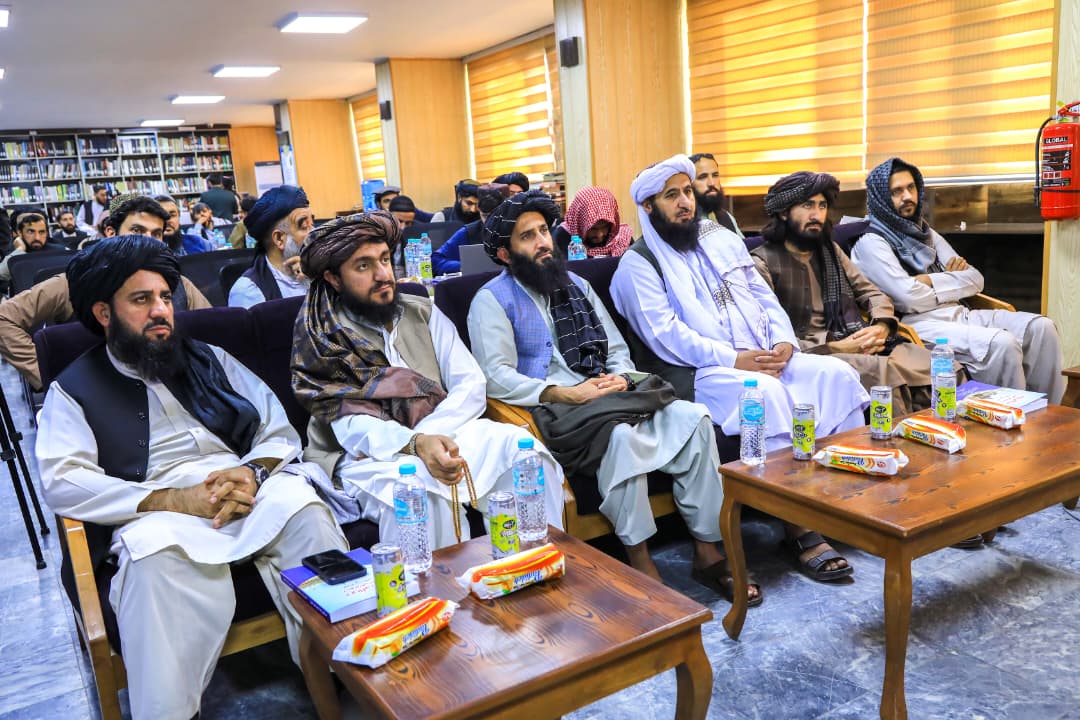
The Directorate of Public Libraries, under the Deputy Ministry for Arts and Culture of the Ministry of Information and Culture, held a preview of the translated book "Guiding Principles for a Successful Life" at the Public Libraries Hall. The event was attended by Dr. Rafiullah Samim, Director of Public Libraries; several Ministry officials; the book’s translator, Mufti Hikmatullah Raghib; religious scholars; literary figures; writers; and young people.
The book, originally written in Arabic under the title Rawdat al-Uqala by the Afghan scholar Allama Muhammad ibn Hibban al-Busti (may Allah have mercy on him), has been translated into Pashto by Mufti Hikmatullah Raghib under the title "Guiding Principles for a Successful Life".
Welcoming the participants, Dr. Samim expressed his pleasure that the Directorate of Public Libraries once again hosting an academic gathering, this time to present the translated book. He said such events aim to encourage young people, writers and researchers to read and write. He also noted that the Directorate’s halls remain open to school students, university students, madrasa students and researchers until 10 p.m.
Dr. Samim described independence and the establishment of the Islamic system as great blessings from Allah. He noted that officials in various institutions are increasingly devoting attention to writing alongside their official responsibilities. He added that the Islamic Emirate, particularly the Ministry of Information and Culture, has placed special emphasis on writing, reading and publishing books, as reflected in the organization of various academic programmes in Kabul and other provinces.
Mufti Hikmatullah Raghib thanked the Directorate of Public Libraries for organizing such programmes and spoke about the book’s author, Allama Muhammad ibn Hibban al-Busti. He described the scholar as Afghan by homeland and Adnani by lineage, noting that Adnan is regarded as the tenth ancestor in the lineage of the Prophet Muhammad (peace be upon him). He said the scholar acquired knowledge from approximately 2,000 Islamic expert scholars and was among the great scholars and leading religious authorities of his time. He also studied modern sciences alongside religious disciplines.
Raghib urged all participants to support the publication and distribution of the book and to use various means to make it accessible to a wider audience.
Mawlawi Abdul Haq Hammad, an adviser to the Deputy Ministry for Publications Affairs, and Qari Fazl-ul-Haq Haqqani also spoke about the book and its author, thanking Raghib for translating the work.
The speakers emphasized that people need to read and study more than ever, describing reading as a foundation for building human society. They said Rawdat al-Uqala is valuable for Muslims and people in general because it addresses morality, manners, the establishment of order and the development of society, drawing on documented material. They also praised the Pashto translation of Guiding Principles for a Successful Life, noting that it conveys the original meaning clearly and is written in accessible, fluent language.
The gathering concluded with a supplication.
9 Jumada al-Awwal 1448
The Directorate of Public Libraries, under the Deputy Ministry for Arts and Culture of the Ministry of Information and Culture, held a preview of the translated book "Guiding Principles for a Successful Life" at the Public Libraries Hall. The event was attended by Dr. Rafiullah Samim, Director of Public Libraries; several Ministry officials; the book’s translator, Mufti Hikmatullah Raghib; religious scholars; literary figures; writers; and young people.
The book, originally written in Arabic under the title Rawdat al-Uqala by the Afghan scholar Allama Muhammad ibn Hibban al-Busti (may Allah have mercy on him), has been translated into Pashto by Mufti Hikmatullah Raghib under the title "Guiding Principles for a Successful Life".
Welcoming the participants, Dr. Samim expressed his pleasure that the Directorate of Public Libraries once again hosting an academic gathering, this time to present the translated book. He said such events aim to encourage young people, writers and researchers to read and write. He also noted that the Directorate’s halls remain open to school students, university students, madrasa students and researchers until 10 p.m.
Dr. Samim described independence and the establishment of the Islamic system as great blessings from Allah. He noted that officials in various institutions are increasingly devoting attention to writing alongside their official responsibilities. He added that the Islamic Emirate, particularly the Ministry of Information and Culture, has placed special emphasis on writing, reading and publishing books, as reflected in the organization of various academic programmes in Kabul and other provinces.
Mufti Hikmatullah Raghib thanked the Directorate of Public Libraries for organizing such programmes and spoke about the book’s author, Allama Muhammad ibn Hibban al-Busti. He described the scholar as Afghan by homeland and Adnani by lineage, noting that Adnan is regarded as the tenth ancestor in the lineage of the Prophet Muhammad (peace be upon him). He said the scholar acquired knowledge from approximately 2,000 Islamic expert scholars and was among the great scholars and leading religious authorities of his time. He also studied modern sciences alongside religious disciplines.
Raghib urged all participants to support the publication and distribution of the book and to use various means to make it accessible to a wider audience.
Mawlawi Abdul Haq Hammad, an adviser to the Deputy Ministry for Publications Affairs, and Qari Fazl-ul-Haq Haqqani also spoke about the book and its author, thanking Raghib for translating the work.
The speakers emphasized that people need to read and study more than ever, describing reading as a foundation for building human society. They said Rawdat al-Uqala is valuable for Muslims and people in general because it addresses morality, manners, the establishment of order and the development of society, drawing on documented material. They also praised the Pashto translation of Guiding Principles for a Successful Life, noting that it conveys the original meaning clearly and is written in accessible, fluent language.
The gathering concluded with a supplication.
